
Electrophysiology
Electrophysiology and Heart Rhythm Care
Electrophysiology is a specialized field of cardiology focused on diagnosing and treating disorders of the heart’s electrical system. The heart depends on precise electrical signals to maintain a steady and coordinated rhythm. When these signals become irregular or disrupted, it can result in arrhythmias—conditions that cause the heart to beat too fast, too slow, or irregularly. Comprehensive electrophysiology care helps identify the source of these rhythm disturbances and provides targeted treatment to restore normal heart function.
What Is Electrophysiology?
- Atrial fibrillation (AFib)
- Atrial flutter
- Supraventricular tachycardia (SVT)
- Ventricular tachycardia
- Bradycardia (slow heart rate)
- Conduction system disorders
Diagnostic Testing in Electrophysiology
- Electrocardiogram (EKG or ECG)
- Holter monitoring
- Event monitoring
- Stress testing
- Electrophysiology study (EPS)
Electrophysiology Treatment Options
-
Medication Management
Certain medications help regulate heart rhythm, control heart rate, or reduce the risk of blood clots associated with atrial fibrillation. -
Catheter Ablation
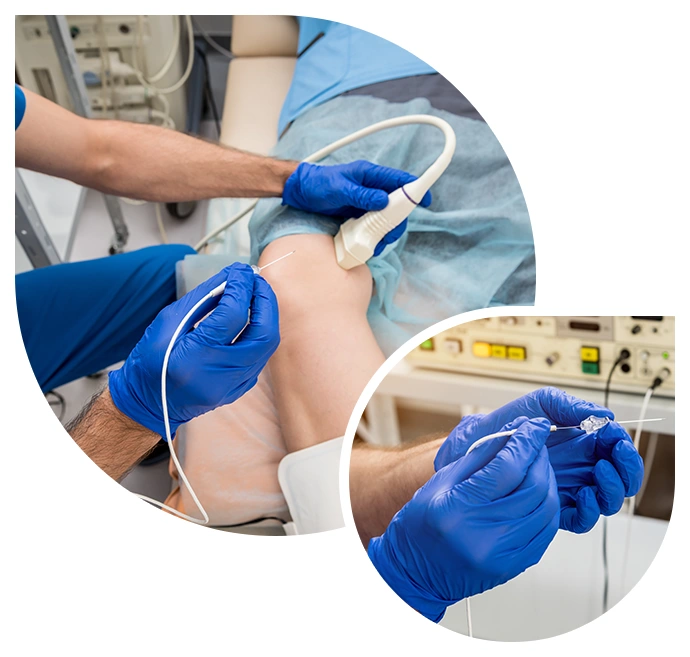
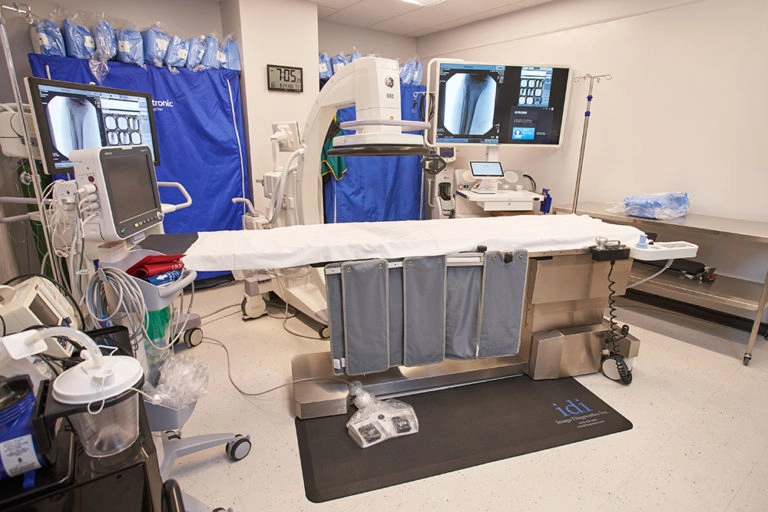
Catheter ablation is a minimally invasive procedure that targets and eliminates abnormal electrical pathways in the heart. Using thin catheters inserted through blood vessels, specialists apply controlled energy to restore normal rhythm. -
Implantable Cardiac Devices
Some patients may require implantable cardiac devices to regulate heart rhythm. Pacemakers help manage slow heartbeats, while implantable cardioverter-defibrillators (ICDs) treat dangerous rapid rhythms. In certain cases, cardiac resynchronization therapy (CRT) devices improve heart function in patients with heart failure.
Long-Term Management and Prevention
- Blood pressure control
- Cholesterol management
- Healthy weight maintenance
- Regular physical activity
- Stress reduction
- Limiting caffeine and alcohol intake
Comprehensive Electrophysiology Care
Electrophysiology plays a vital role in protecting heart health by identifying rhythm disorders early and providing advanced treatment options. With modern diagnostic tools and minimally invasive therapies, many arrhythmias can be effectively managed, allowing patients to return to daily activities with improved confidence and quality of life.
Comprehensive electrophysiology services focus on restoring healthy heart rhythm, reducing long-term cardiovascular risk, and providing personalized care tailored to each patient’s needs